
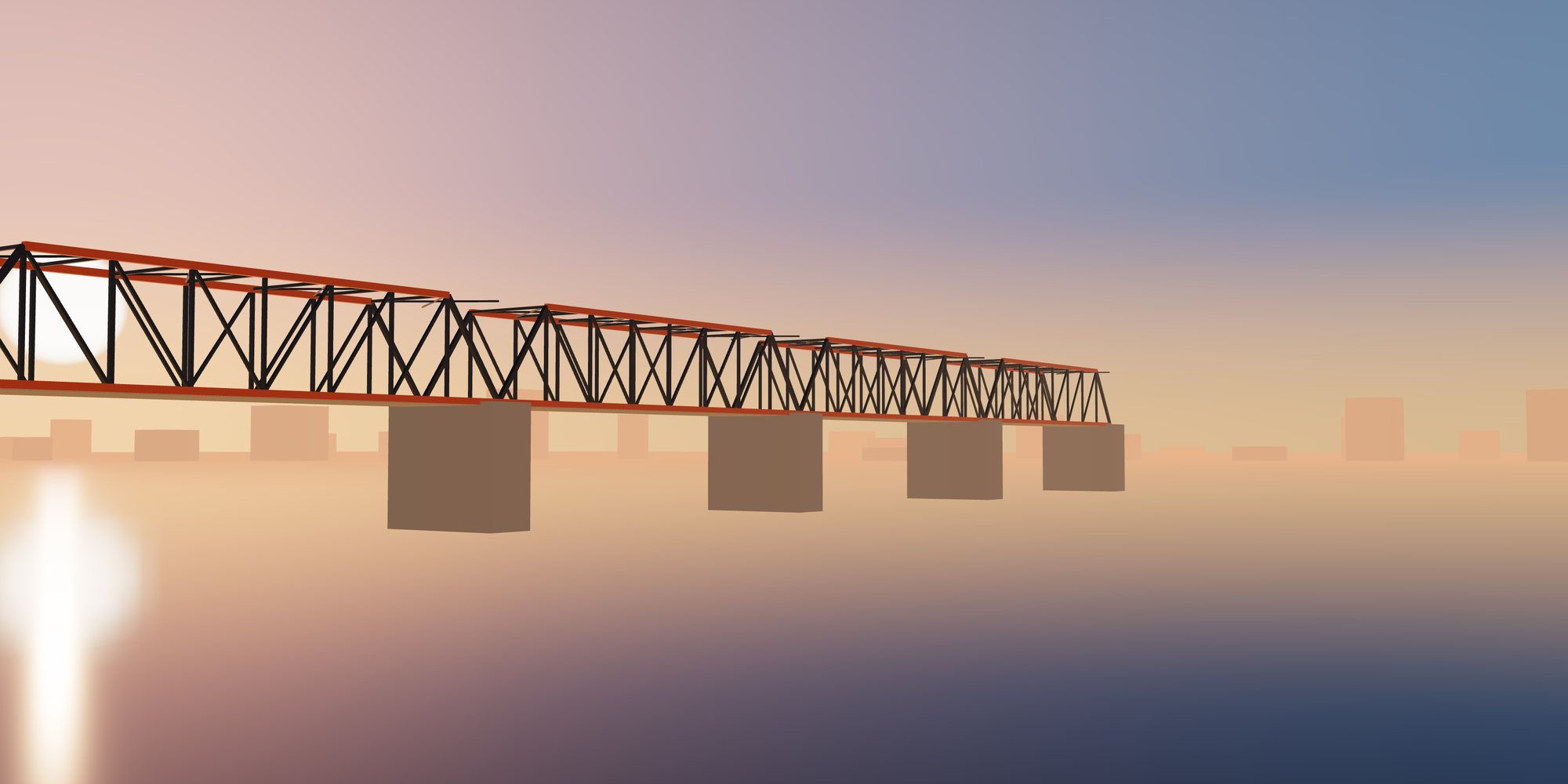
Specialist Steel Structure Solutions
Marine & Port Steel Structures
Port warehouses, cargo handling structures, coastal industrial buildings and marine equipment supports.
Solution Overview
Coastal and marine sites expose steel to high chloride levels. Corrosion protection systems, drainage details and maintenance access are central to the design life of port structures.
Typical Applications
- Port Warehouses
- Cargo Handling Structures
- Coastal Industrial Buildings
- Marine Equipment Supports
Sector challenges
Challenges We Engineer For
Severe chloride exposure
Our engineering response We specify duplex galvanizing and paint systems for C5 and CX conditions, supported by details that avoid moisture traps.
Coastal and cyclonic wind
Our engineering response Frames, cladding supports and connections are designed for site-specific coastal wind exposure, including cyclonic regions where applicable.
Maintenance access
Our engineering response Members and connections are arranged so surfaces can be inspected and recoated, extending service life of the asset.
Coating damage in transit
Our engineering response Protective packing, edge guards and zone-based delivery reduce handling, and site touch-up procedures are provided.
Engineering Solutions
Port and coastal structures face chloride-laden air, high winds and heavy operational loads at the same time. Our engineering team analyzes warehouses, conveyor galleries, gantries and equipment supports for coastal wind exposure, including cyclonic regions where applicable, along with equipment loads, mooring-related actions on quayside structures and fatigue from repeated cargo handling where relevant.
Connections are designed to be both robust and inspectable: we limit crevices, avoid back-to-back members that trap moisture and favor details that can be coated fully. The code basis follows the project, for example AS 4100 with AS/NZS 1170, AISC 360 with ASCE 7, or the Eurocodes, and durability requirements are defined alongside strength from the first design stage.
Engineering Considerations
- Corrosivity category (e.g. ISO 12944 C5 / CX) and duplex systems
- Wind and cyclonic loading in coastal regions
- Detailing to avoid water traps and crevices
- Inspection and maintenance planning
One coordinated scope
From Engineering to Delivery on Site
Design optimization, fabrication, quality control, surface protection, export logistics and erection support managed as one scope, so interfaces between design, shop and site stay under control.
-
Design Optimization
In marine environments the cheapest structure is often the one with the least surface area to protect. We favor fewer, heavier members over many light ones, use closed hollow sections where they simplify coating and reduce water traps, and rationalize connection types to limit edges and crevices. Combining structural optimization with coating strategy reduces both initial cost and maintenance, which drives the true cost of port assets over their design life.
-
Fabrication Solutions
Typical members include heavy rolled sections, built-up girders, hollow section trusses for conveyor galleries and equipment support frames. We grind sharp edges to a radius suitable for coating adhesion, seal weld where specified to prevent crevice corrosion, and drain or vent hollow sections for galvanizing.
Welding follows the AWS D1.1, AS/NZS 1554.1 or EN 1090 requirements specified for the project, with care taken over weld profiles that coat cleanly and spatter removed before blasting. Piece marks are applied so they remain legible after galvanizing and painting, and lifting lugs are positioned to limit coating damage, helping crews identify and handle each piece correctly in exposed quayside conditions.
-
Quality Assurance
Our inspection and test plan for marine structures places extra emphasis on surface preparation and coating. Materials are traced to mill certificates, and welds are inspected visually with magnetic particle or ultrasonic testing where specified. We verify edge rounding, surface cleanliness, profile and ambient conditions before coating, then record dry film thickness and adhesion results. Dimensional checks confirm fit of girders and gallery segments, and all records are compiled in a QC dossier.
-
Surface Protection
Coastal and port sites typically fall within ISO 12944 C5 or CX, with splash and tidal zones demanding the highest protection. We commonly specify hot-dip galvanizing to EN ISO 1461 or AS/NZS 4680 followed by a compatible paint system, forming a duplex system for long durability. Coating choices consider design life, the practicality of maintenance access and the risk of damage from cargo operations, and touch-up procedures are defined for site use.
-
Export & Logistics
Coated steel for ports must arrive undamaged, because repairs in a marine environment are difficult to perform well. We pack members with protective dunnage, edge guards and wrapping, and sequence shipments by erection zone so pieces are not stored on site for long. Larger girders and gallery segments ship as break-bulk with engineered stowage, smaller items in containers. Export documentation, packing lists and coating repair kits accompany the delivery.
-
Erection Support
We support erection with drawings, lifting data and a recommended sequence that minimizes handling of coated pieces. Our engineers provide method statement input on lifting points, temporary bracing for wind exposure and protection of coatings during lifting. We define site touch-up procedures and inspection points. Where agreed, we provide technical supervision or advisory visits during critical lifts and final coating inspection.
What You Receive
Typical engineering, fabrication and quality documents for this type of structure. The final list is agreed for each project.
- Structural design report with coastal wind assessment
- Corrosivity assessment and coating specification
- Shop drawings with drainage, venting and edge treatment details
- Surface preparation and coating inspection records
- Mill certificates and NDT reports
- Zone-sequenced packing lists and stowage plans
- Site touch-up and maintenance guidance
Global supply
Supplying Projects Worldwide
Engineering and documentation aligned with the codes, approvals and logistics of each market we supply.
-

Steel Structures for the United States
Structural steel for US projects designed and documented to AISC, ASCE 7 and AWS practice, with the submittals and traceability US…
-

Steel Structures for Canada
Steelwork for Canadian projects to CSA S16 design and CSA W59 welding, with welding-company certification and cold-climate material…
-

Steel Structures for Australia
Fabricated steel for Australian projects to AS 4100, AS/NZS 5131 and AS/NZS 1554.1, with construction category, cyclone wind actions and…
-

Steel Structures for New Zealand
Seismic-ready steelwork for New Zealand to NZS 3404 design and AS/NZS 5131 fabrication, with ductility, connection capacity design and…
-


Steel Structures for Europe
Structural steel components for European projects designed to the Eurocodes with National Annexes, and executed to EN 1090 with the…
-

Steel Structures for Japan
Steel supply for Japanese projects under the Building Standards Act framework, JIS-designated materials and fabricator grading, with…
-

Steel Structures for South Korea
Steelwork for Korean industrial and building projects aligned with the Korean Building Code and KS material standards, with fast-track…
-


Steel Structures for Southeast Asia
Regional steel supply across Singapore, Malaysia, Thailand, Vietnam, Indonesia and the Philippines, where each country's code basis…
-


Steel Structures for the Middle East
Steelwork for Gulf and Middle East projects specified to international codes by consultants, with extreme heat, sand and saline exposure…
-
Other International Markets
For markets not listed separately, we start from the project specification: governing code, material standards, inspection regime and…
Frequently Asked Questions
What coating system do you recommend for port structures?
For most port structures we recommend a duplex system of hot-dip galvanizing with a compatible paint system, selected for the ISO 12944 category and required durability. The final specification depends on exposure zone, design life and maintenance access.
Can you design for cyclonic regions?
Yes. We design to the wind loading requirements of the project code for cyclonic regions, including connections and cladding supports, and consider debris impact and fatigue where the code requires it.
How do you prevent coating damage during shipping?
We use protective dunnage, edge guards, wrapping and lifting with soft slings, and we sequence deliveries to reduce site storage. Touch-up materials and procedures are supplied for any minor damage.
Discuss Your Marine & Port Steel Structures Project
Share your drawings and requirements. Our engineering team reviews the scope, the governing design code and the delivery conditions, then responds with the next steps.
Helpful to include
- Architectural or structural drawings, or a sketch of the layout
- Project location and site conditions
- Governing design code and any client specifications
- Key loads: cranes, equipment, wind or seismic data if known
- Required scope: design, fabrication, coating, supply, erection support
- Target schedule and delivery terms
Files attached to the request form are stored privately and are visible only to authorized staff.